
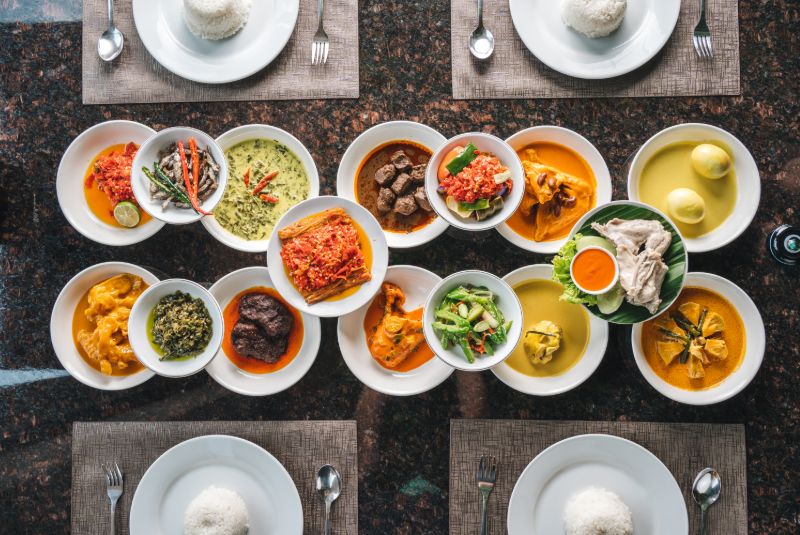
From the surface F&B can look like a simple business. Buy ingredients, make the food, sell it at a higher price.
Let’s say a dish you sell for RM 14 takes RM2 to make.
At first glance, you will earn RM 12 for every dish sold. Right?
Let’s dive into what happens underneath the real business scenario.
The hidden full cost
The RM2 covers the ingredients. Your outlet still has other costs to pay.
Cost can be categorized as variable cost and fixed cost:
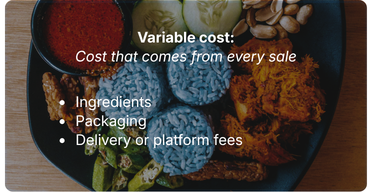
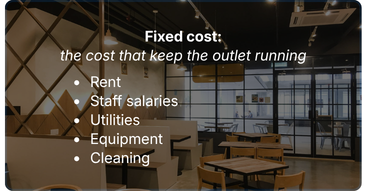
Fixed costs add up every month, whether the outlet is full or quiet.
So the RM14 selling price needs to do more than cover the RM2 ingredients.
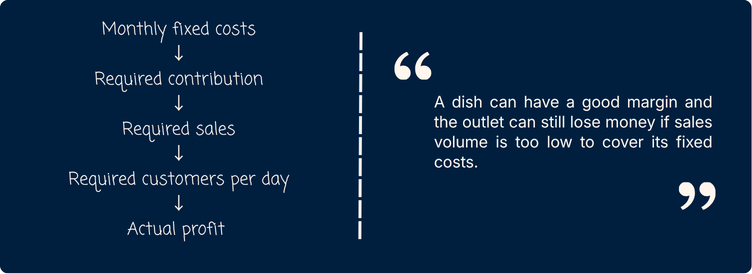
This is where the calculation changes from “How much do I make on this dish?” to “Can this outlet make enough money to cover the cost of running the business?”
How do FNB owners calculate
Now the business question comes in:
- Can the location support 125 customers a day?
- Can the outlet serve that volume with your available seats, kitchen capacity and staff?
That is the difference between product economics and outlet economics.
Behind the scene this is what happens:
Prepare a checklist
Before deciding on opening a restaurant, work out:
Food cost and selling price are only the starting numbers.
The number that matters is whether the entire outlet can generate enough sales to cover its costs and leave a profit.
Need the full end to end checklist?👇
Raida reports support your FnB dream with location feasibility analysis, cost estimation, and a full checklist to be fully prepared to open a restaurant backed by real work. Check out at raida.pro