
Chinese F&B brands are competing for Malaysian shoplots — not just locals. That is why more landlords are raising rent at renewal.
If you wish to run a cafe or restaurant in the Klang Valley, you need a clear method to make judgement and not guesswork. This guide covers what is changing, how to check rent as a % of sales, and how to handle restaurant lease negotiation Malaysia when the landlord cites a “China brand” comp. (For choosing an area first, see our Klang Valley location guide.)
Why shoplot rents feel higher
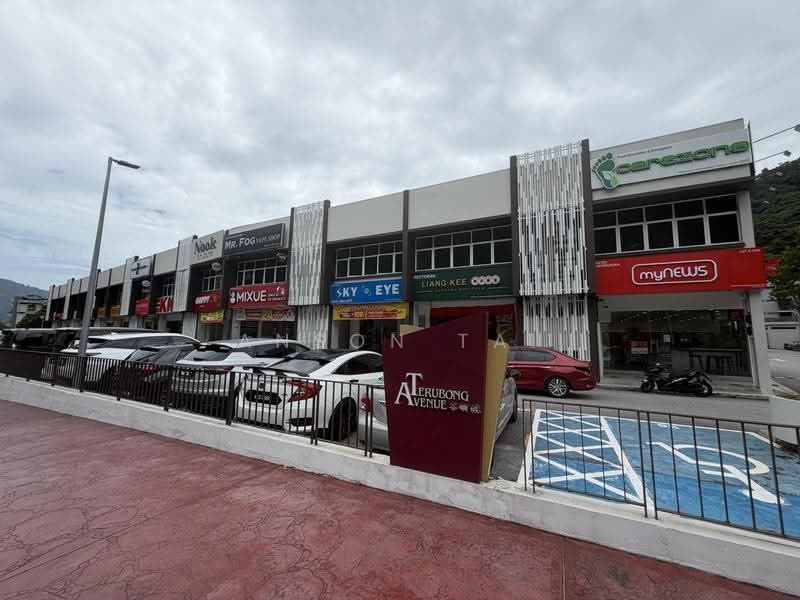
In areas like Kuchai Lama, Kepong, and Menjalara, more Chinese F&B brands have opened in the last few years. The Edge reports that some well-funded operators pay premium rents or months of rent upfront just to lock good ground-floor lots.
Landlords see those deals and reset expectations. You may not be forced out mid-lease, but at renewal the new ask can jump because your neighbour paid more. Menjalara intermediate shops, for example, have been reported to be listed around RM9,000–RM20,000/month.
A “China brand” rent quote is a negotiation starting point and not a price you must match.
Check rent the simple way: % of sales
Before you argue or accept, run one check: monthly rent ÷ monthly sales. That percentage tells you if the lot can still work for your format.
Many cafe guides say keep rent near 10–15% of sales. That is a useful starting rule but not every Klang Valley lot fits it. Malls and hot F&B streets often run higher; neighbourhood shoplots often run lower.
Mall / prime belt
17–25%
Needs higher ticket + strong lunch trade
Hot F&B street
(Menjalara / Kepong / Kuchai)
13–23%
Risky if over ~18% and sales under RM80k
Neighbourhood shoplot
(Cheras / Puchong)
8–13%
More workable for many independents
Example — Menjalara-style renewal
RM15,000 rent ÷ RM75,000 sales = 20%
Inside a hot-street band, but tight. Negotiate lower, grow sales, or walk away. You choose.

Use a realistic monthly sales forecast — not your best week × 4. Need area-level demand and competition data? Use the Full Market Report.
If the landlord says “China brand” — do these 3 things
Once you know your rent %, the next step is negotiation. Start early (months before expiry), bring facts, and protect your exit.
1. Ask for real comps
Don’t argue based on vibes. Ask what other units on the same row pay, and whether the China-brand deal included extras you are not getting — fit-out support, advance rent, or a longer prepaid term.
Always do comparison with real examples
2. Protect the lease terms
Push for a break clause and clear reinstatement rules. If rent must rise, try to cap how fast it can step up at the next review so one renewal does not break the business.
Start talks months before the lease ends — not in the last 30 days.
3. Match rent to your format
A lot that works for a high-volume chain may not work for your cafe. If the new rent only makes sense with daily throughput you do not have, walking is smarter than copying their number.
Hot lot ≠ your lot. Format fit comes before rent matching.

When to walk away and when to stay
Walk away when rent % stays above your format band even on optimistic sales, or when the lot only works for a different concept than yours. Before you decide, answer these four questions.
If you are still unsure about demand or competition in that catchment, check the numbers in the Full Market Report before you match a China-brand ask.
The Bottom Line
Chinese F&B expansion had push landlord expectations up. Your response should be orderly and clear: understand why the ask rose, check rent as a % of sales, negotiate with comps and clear terms, and walk when the math does not fit your format.
For more lot-level rent and catchment data, may obtain more from our Full Market Report.