
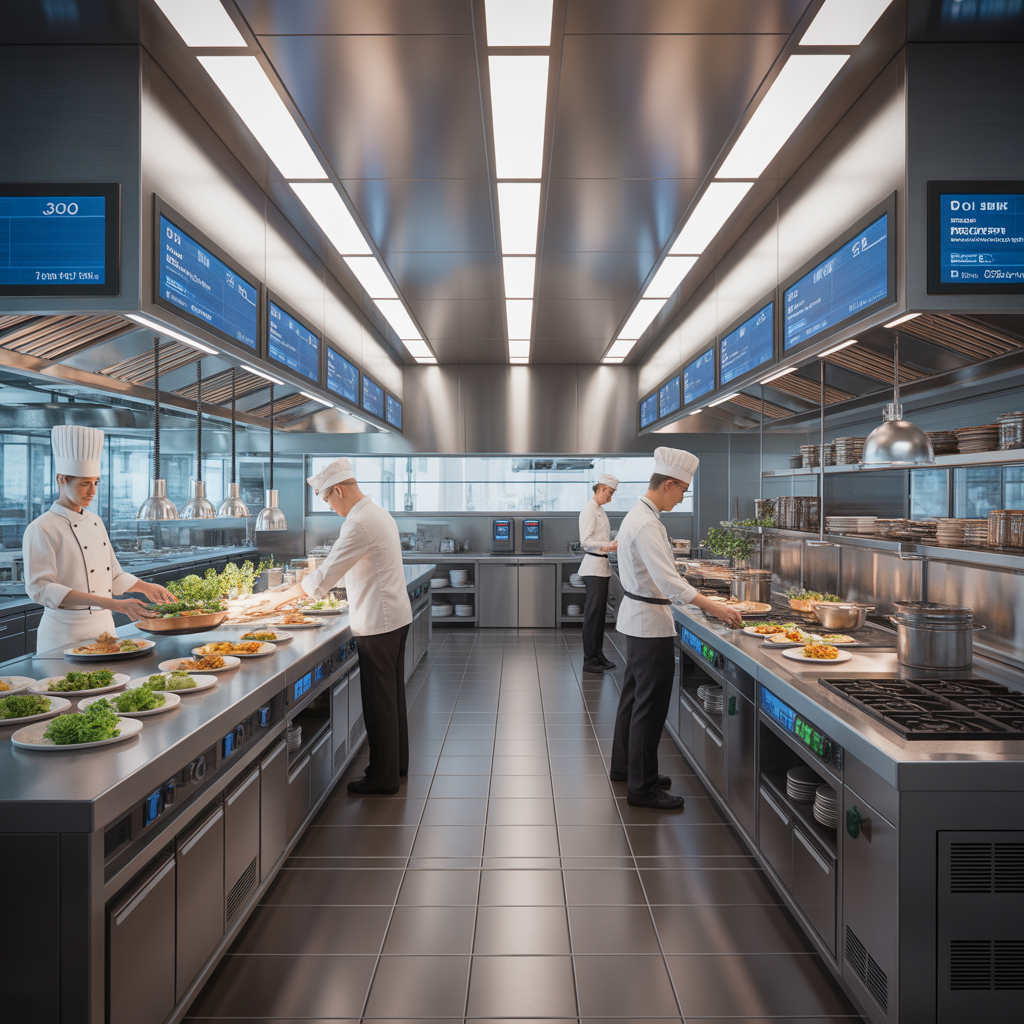
The Malaysian food and beverage landscape is experiencing a profound transformation. Cloud kitchens—also known as ghost kitchens or dark kitchens—are revolutionizing how F&B businesses operate. These delivery-focused culinary hubs eliminate traditional dining overheads while maximizing urban reach, offering Malaysian founders a proven blueprint for sustainable growth and operational excellence in an increasingly digital marketplace.

Lower Overheads
Reduced rental costs in industrial locations, minimal staffing requirements, and lower initial capital investment create a lean, profitable operational model.

Maximum Reach
Delivery-focused operations, multiple virtual brand capabilities, and strategic urban hub positioning enable unprecedented market penetration across Malaysian cities.

Operational Efficiency
Streamlined kitchen workflows, technology-driven order management, and optimized dispatch systems ensure consistent quality and rapid delivery times.
The Paradigm Shift: Why Traditional Models Are Evolving
The Crushing Weight of Traditional Restaurants
- Crippling rental costs (20-30% of revenue).
- High front-of-house staffing and payroll.
- Massive upfront capital (RM 500K+).
- Limited geographic reach (miss 70% of delivery customers).
- Complex inventory, high food waste.
Cloud Kitchens: Your Blueprint for Success
- Massive cost savings (60-70% lower rent).
- Lean, kitchen-focused team; no front-of-house staff.
- Minimal setup investment (up to 80% less than traditional).
- Wider market reach (up to 5x).
- Smart inventory, 25% less food waste.
Market Momentum: The Data Behind the Shift
Malaysia’s cloud kitchen revolution is supported by compelling market indicators. Urban consumers are driving unprecedented demand for delivery services, creating fertile ground for innovative F&B models that prioritize convenience, variety, and speed.
Weekly Delivery Users
Urban Malaysian consumers using food delivery apps at least once weekly
Investment Growth
Year-over-year increase in cloud kitchen infrastructure investment
Brand Multiplication
Virtual brands a single cloud kitchen can operate simultaneously
Strategic Advantages for F&B Founders
Cost Structure Optimization
Slash rental expenses by 60-70% through industrial locations. Eliminate front-of-house costs entirely. Redirect savings toward quality ingredients, technology infrastructure, and marketing that drives customer acquisition.
Multi-Brand Strategy
Test new culinary concepts without additional real estate. Launch niche cuisines targeting specific demographics. Diversify revenue streams while sharing kitchen infrastructure, equipment, and core operational systems.
Rapid Market Entry
Launch operations in 4-6 weeks versus 6-12 months for traditional restaurants. Scale quickly across multiple urban zones. Adapt menus based on real-time delivery data and customer preferences.
Data-Driven Growth
Leverage delivery platform analytics for demand forecasting. Optimize menu engineering based on order patterns. Make informed decisions on expansion, pricing, and promotional strategies using comprehensive customer insights.
Technology: The Cloud Kitchen Operating System
Success in the cloud kitchen model demands sophisticated technology integration. From order aggregation to kitchen display systems, the right tech stack transforms operational efficiency and customer satisfaction.
Order Management Platform
Centralized system integrating multiple delivery apps—GrabFood, Foodpanda, Deliveroo. Real-time order routing, automated menu synchronization, and unified performance tracking across all channels.
Kitchen Display Systems
Digital screens replacing paper tickets, prioritizing orders by preparation time and delivery urgency. Reduces errors, improves kitchen flow, and ensures optimal food quality at customer doorsteps.
Inventory & Supply Chain
Smart inventory tracking with automated reordering thresholds. Ingredient-level tracking prevents waste and stockouts. Supplier integration streamlines procurement for multiple virtual brands.
Building Your Virtual Brand: Marketing Essentials
Without a physical storefront, your digital presence becomes your primary customer touchpoint. Strategic brand building requires consistent quality, engaging content, and data-driven customer relationship management.
Social Media Presence
Instagram and TikTok-first content strategy showcasing food quality and preparation. Behind-the-scenes storytelling builds authenticity. User-generated content and influencer partnerships drive awareness and trial.
Review Management
Proactive monitoring across delivery platforms. Rapid response to feedback builds loyalty. Quality consistency translates directly into ratings that influence customer choice and platform algorithms.
Targeted Promotions
Platform-specific campaigns during peak ordering windows. Limited-time menu items create urgency. Loyalty programs and exclusive offers drive repeat orders and increase customer lifetime value.
Critical Success Factors
Location Intelligence
Analyze delivery density maps, competitor coverage, and platform rider availability. Choose hubs serving 5-8km radius with 20-30 minute delivery capability to high-demand zones.
Menu Engineering
Design dishes that travel well and maintain quality. Balance preparation complexity with kitchen capacity. Price strategically considering platform commissions and packaging costs.
Operational Excellence
Standardize recipes and portions for consistency. Train kitchen teams on efficiency protocols. Monitor preparation times and implement continuous improvement based on performance metrics.
Investment Landscape & Growth Trajectory
Venture capital and food delivery platforms are pouring resources into Malaysian cloud kitchen infrastructure. This investment surge reflects confidence in the model’s scalability and profitability. Major players are building shared kitchen facilities, offering turnkey solutions for F&B
“Cloud kitchens aren’t just reducing costs—they’re fundamentally reimagining how F&B businesses scale in urban markets. The data shows Malaysian founders can achieve profitability 60% faster than traditional restaurant models.”
Challenges to Navigate
Platform Dependency
Heavy reliance on third-party delivery apps creates commission pressure (25-35%). Diversification across multiple platforms and development of direct ordering channels are essential for margin protection.
Brand Differentiation
Crowded marketplace requires distinctive positioning. Without physical presence, brands must invest heavily in digital marketing, packaging design, and consistent quality to build recognition and loyalty.
Quality Control
Maintaining food quality during delivery presents unique challenges. Packaging innovation, preparation timing, and menu design must prioritize the at-home dining experience.
The Road Ahead: Strategic Recommendations

Start Lean, Scale Smart
Launch with 1-2 focused concepts. Perfect operations before expanding. Use data to guide menu evolution and geographic expansion decisions.

Invest in Technology
Robust tech infrastructure pays dividends through efficiency gains. Integration capabilities enable seamless multi-platform operations and data-driven decision making.

Build Brand Equity
Consistent quality and smart marketing create sustainable competitive advantages. Direct customer relationships reduce platform dependency over time.
Conclusion: The New F&B Blueprint
Cloud kitchens represent a fundamental evolution in Malaysian F&B entrepreneurship. This model democratizes market entry, enabling founders to compete with established brands at a fraction of traditional costs. As digital delivery infrastructure matures and consumer habits solidify, cloud kitchens will continue capturing market share from legacy restaurant formats.
For forward-thinking F&B operators and investors, the opportunity is clear: cloud kitchens offer a scalable, data-driven pathway to success in Malaysia’s dynamic urban food landscape. The blueprint is proven—execution determines winners.
Ready to Transform Your Cloud Kitchen?
The Malaysian market is ripe for innovation. With strategic planning, technology integration, and operational discipline, cloud kitchens deliver sustainable growth and profitability in the new F&B economy.