
The culinary landscape is constantly evolving, and one of the most significant shifts in recent years has been the rise of plant-based Malaysian cuisine — dishes that keep local flavors while meeting growing demand for meat-free options. While often associated with Western health trends, this movement is gaining considerable traction globally, and Malaysian cuisine is no exception. For forward-thinking F&B owners, embracing plant-based Malaysian dishes isn’t just about catering to a niche market; it’s about tapping into a lucrative and growing segment that promises innovation, sustainability, and increased profitability.
The Shifting Palate: Why Plant-Based is Booming
Consumer preferences are changing. An increasing number of individuals, driven by health consciousness, environmental concerns, and ethical considerations, are actively seeking plant-based options. This isn’t limited to strict vegans or vegetarians; flexitarians – those who primarily eat vegetarian but occasionally consume meat or fish – represent a massive and influential demographic.
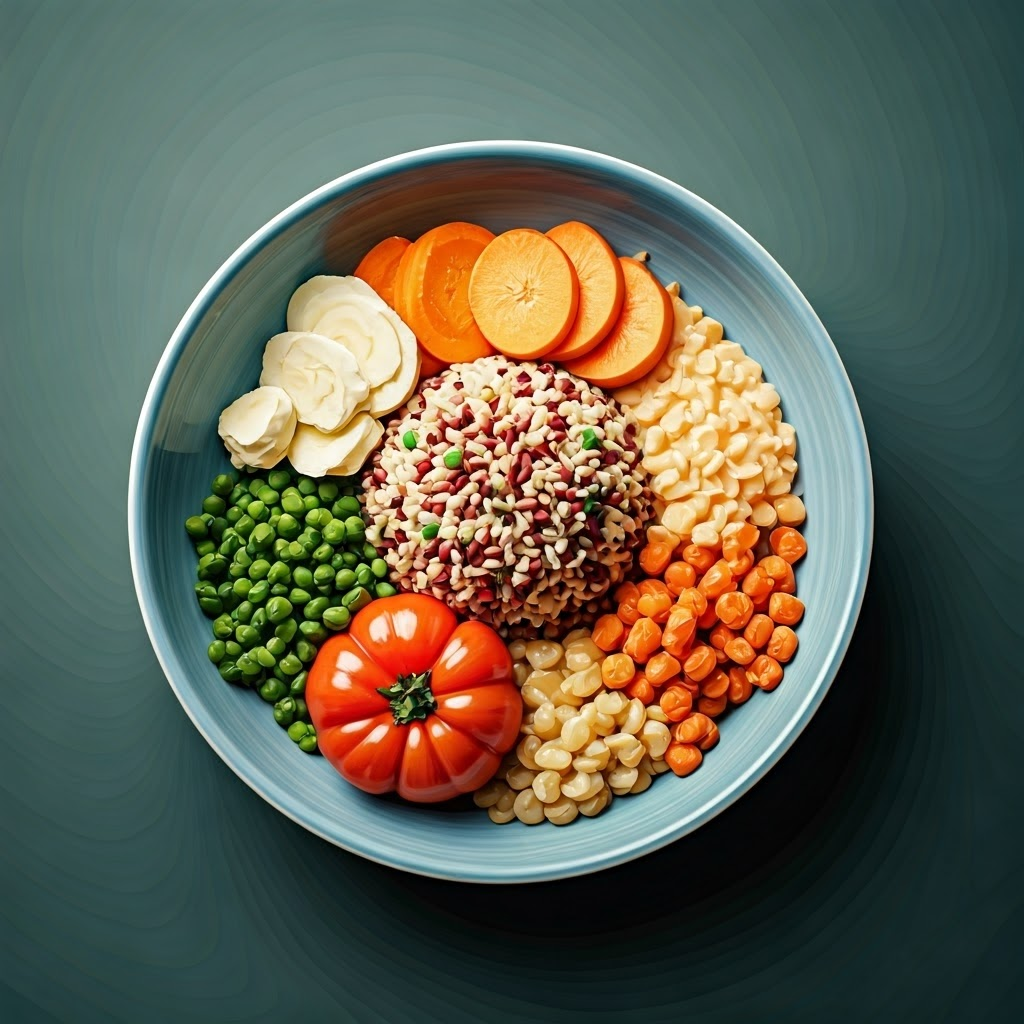
For Malaysian cuisine, traditionally rich in meat and seafood, this presents a unique opportunity. The vibrant flavors, aromatic spices, and diverse ingredients inherent in Malaysian cooking are perfectly suited for plant-based adaptations. Think fragrant curries bursting with vegetables, robust sambals made with plant-based proteins, and noodle dishes brimming with fresh produce.
Strategic Advantages and Market Statistics for F&B Owners
Integrating plant-based Malaysian dishes into your menu offers significant competitive advantages backed by tangible market growth.

Exponential Market Growth
The South East Asia Plant-Based Meat Market is forecasted to grow at a CAGR of 23.94% from 2025 to 2033.
Malaysia’s Plant-Based Proteins category achieved 22.6% CAGR from 2020-2024, with projected 15% annual growth through 2029, potentially reaching $267 million.

Strong Consumer Demand
59% of Malaysian consumers are motivated to try plant-based alternatives because they perceive them as healthier.
46% choose plant-based for environmental sustainability, while 21% actively want to reduce meat intake.
Cost Efficiency & Resilience
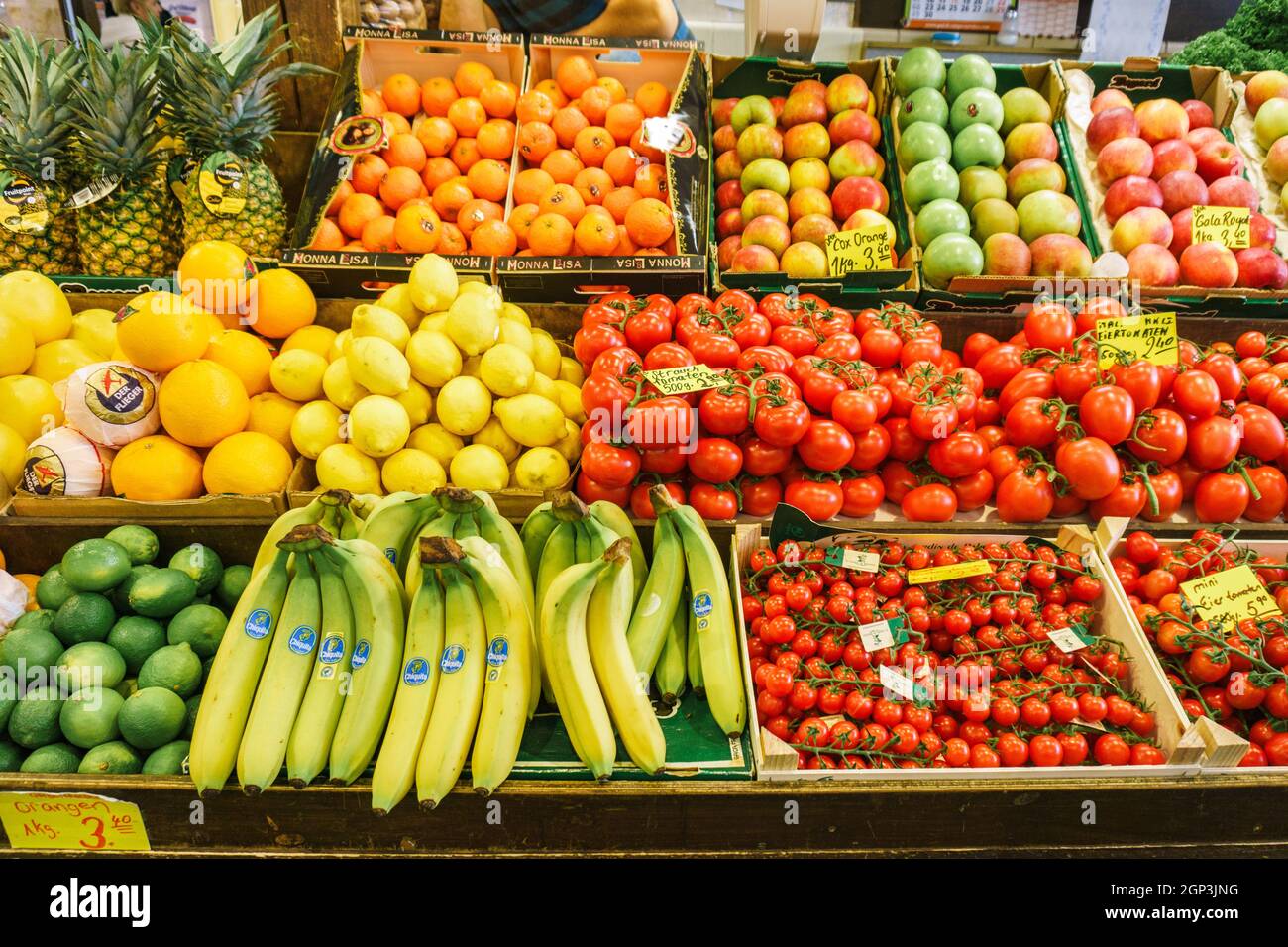
Menus rooted in Malaysia’s abundant fresh produce can lower overall food costs and enhance supply chain stability.
Less reliance on volatile global meat markets allows greater control over ingredient sourcing and potentially higher gross margins.
Innovation in Ingredients: Beyond Tofu and Tempeh
The plant-based market has matured far beyond simple tofu and tempeh. While these staples remain vital, the advent of high-quality plant-based meats, seafood alternatives, and innovative dairy-free products opens up a world of possibilities for Malaysian dishes.
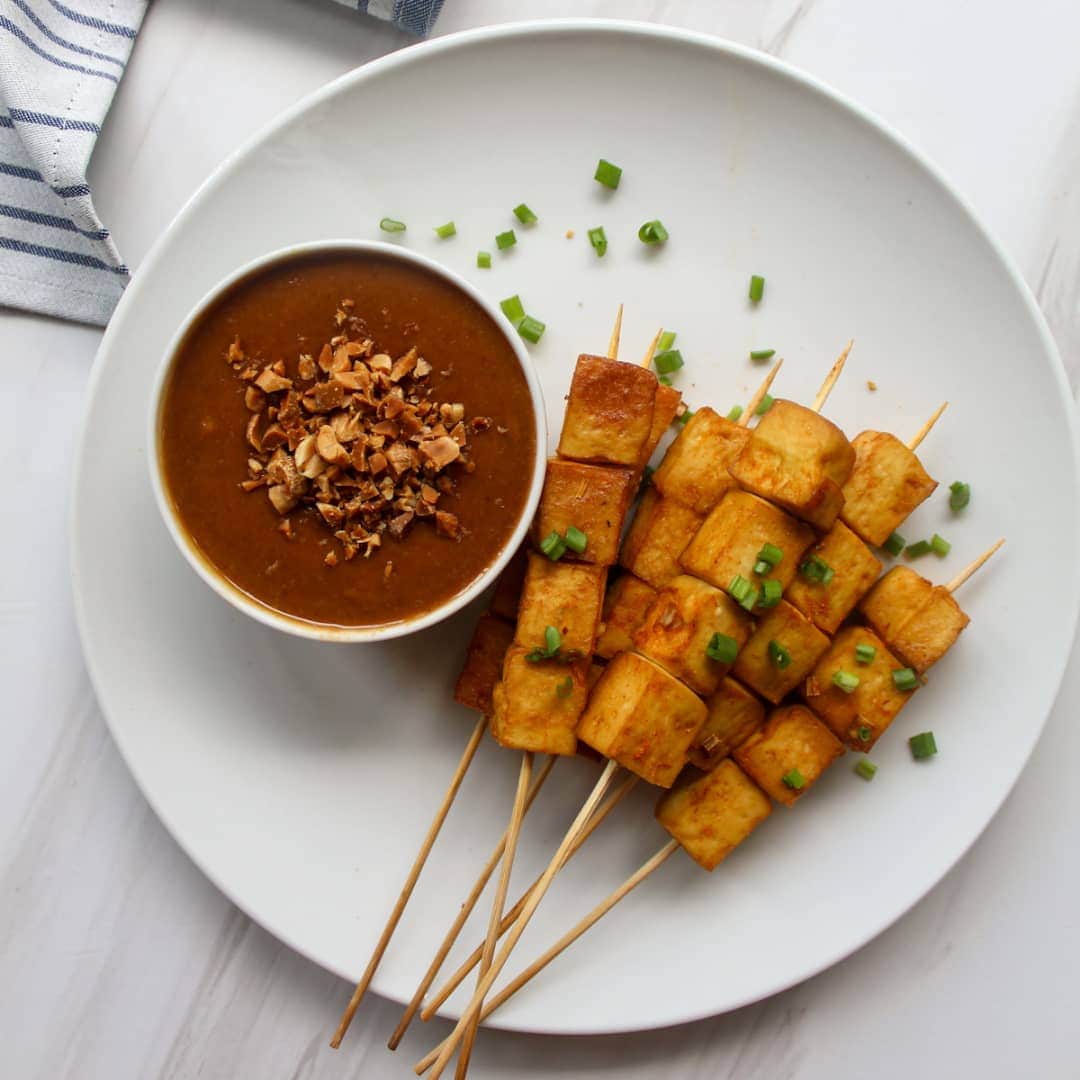
Plant-Based “Chicken” Satay
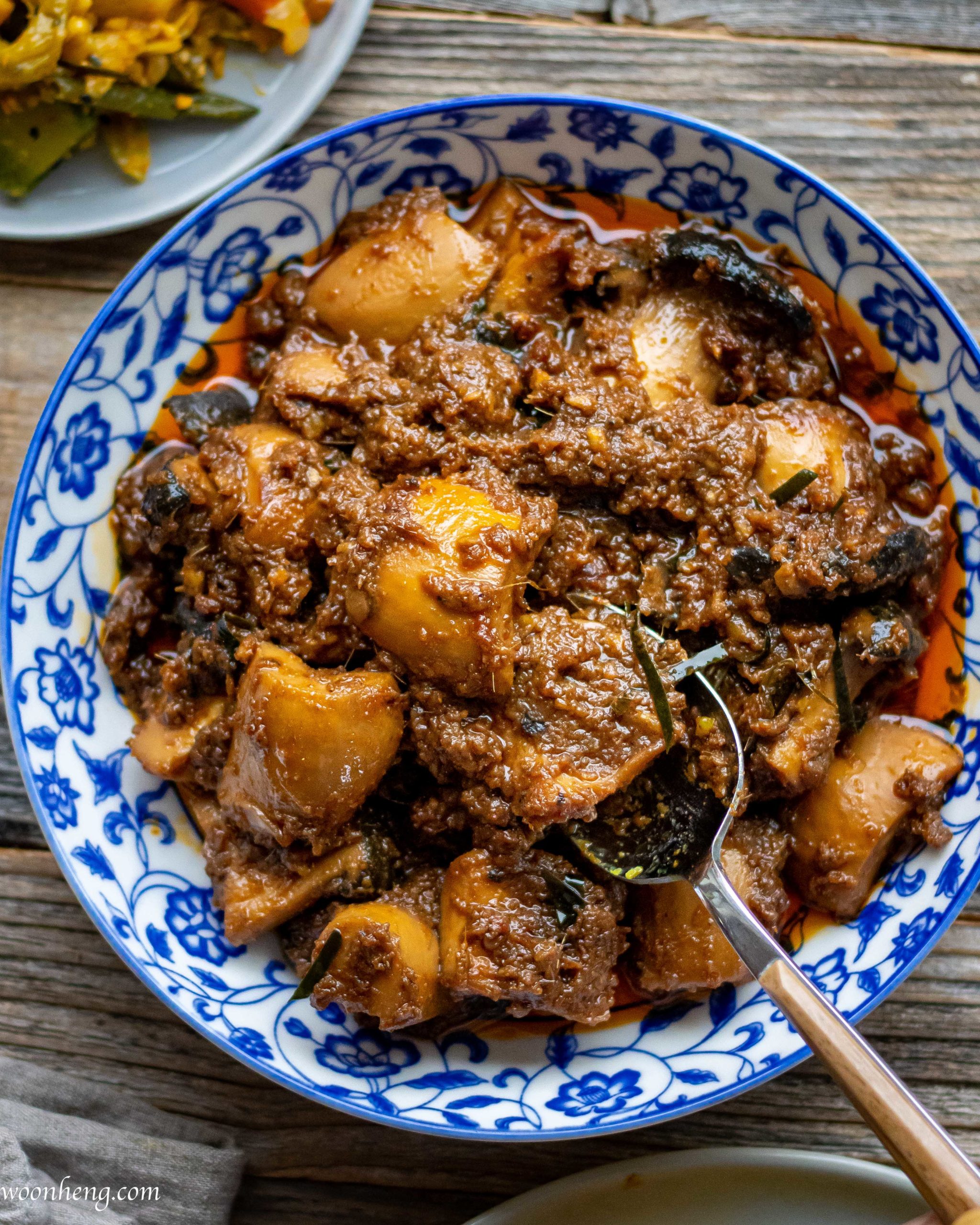
Mushroom Rendang

Jackfruit Curry Laksa
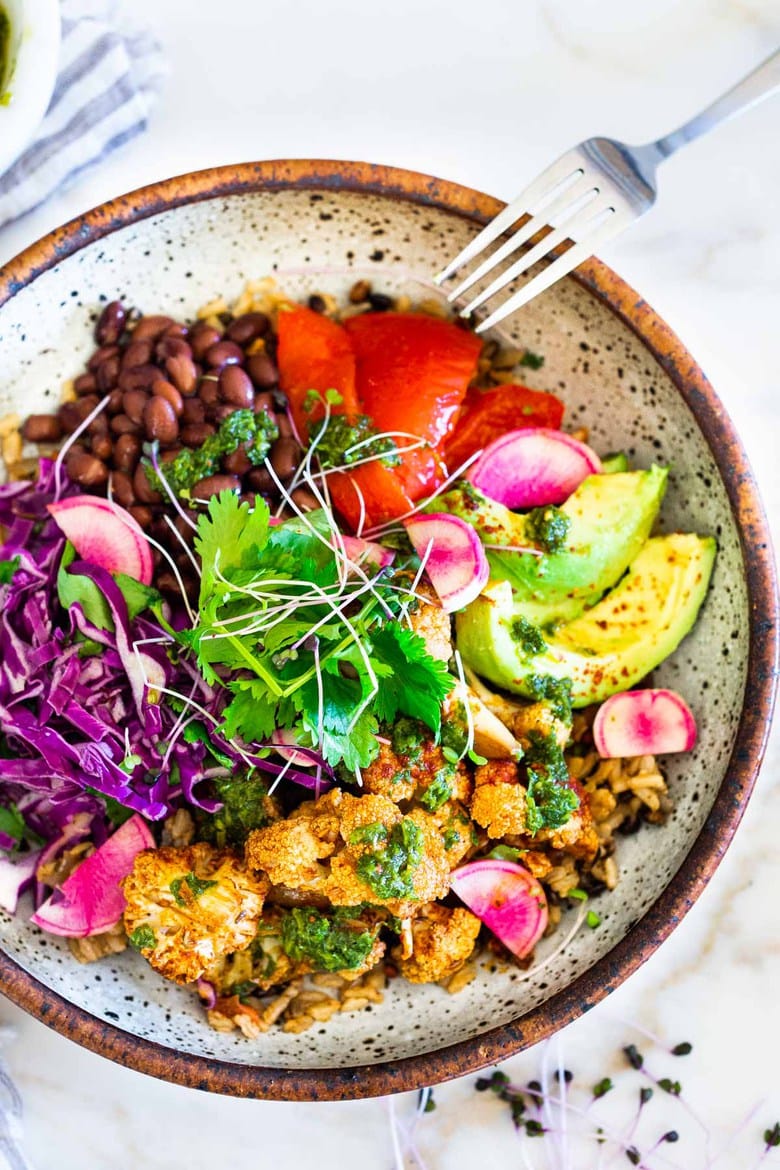
Vegan Nasi Lemak
These innovations allow F&B owners to offer familiar and beloved Malaysian dishes in a plant-based format, appealing to a broader audience without compromising on taste or authenticity.
Implementation Strategy for Success
To seamlessly integrate this shift and capitalize on the market statistics, F&B owners should follow a strategic approach:
Educate the Team
Train chefs on layering flavor (umami) through fermentation and spices to ensure authenticity.
Label Clearly
Use clear menu labeling (e.g., “Flexitarian-Friendly”) to emphasize flavor, not just lack of meat.
Start with Classics
Adapt your most popular, high-margin dishes first to encourage wider customer adoption.